ODMPOD
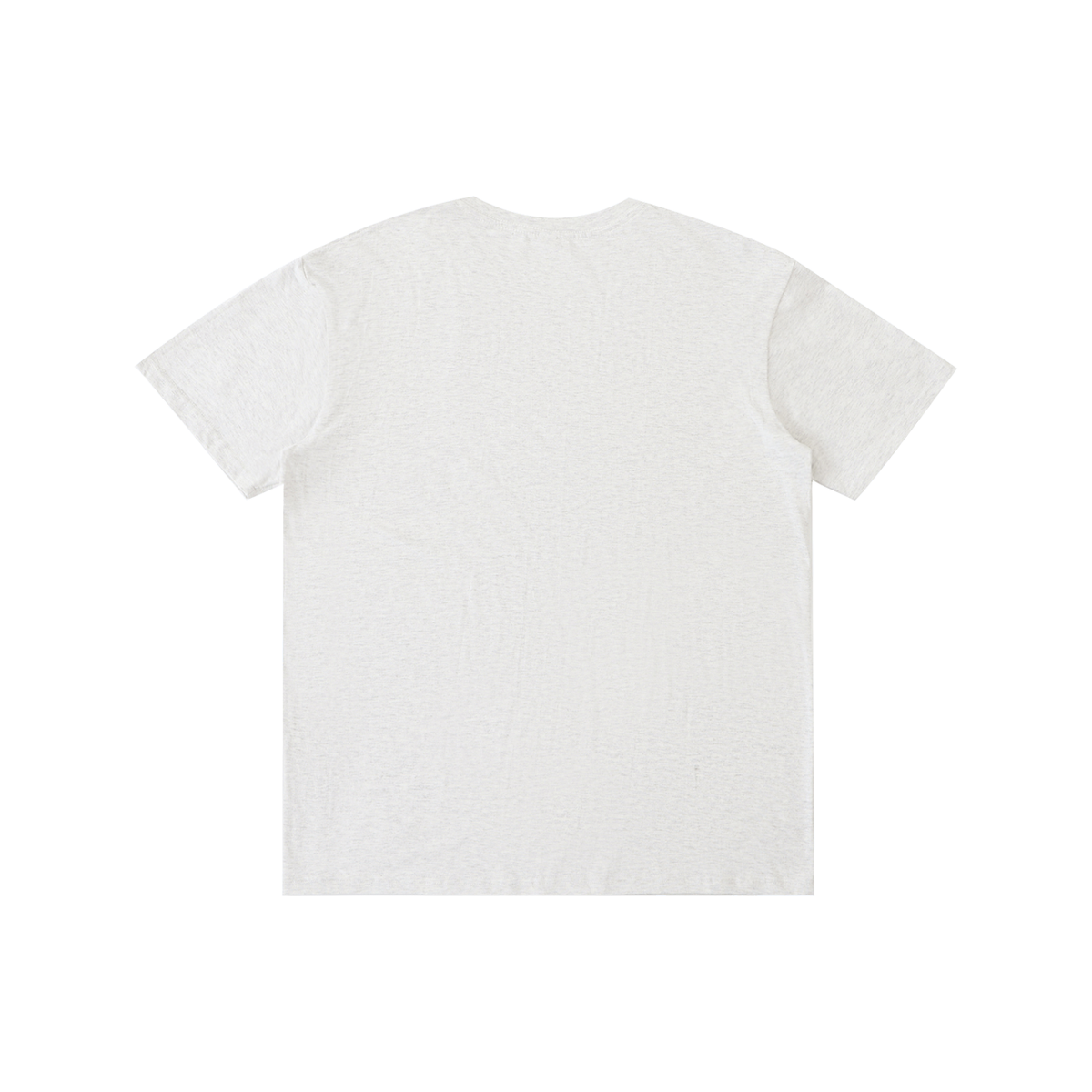
SEA URCHIN T-SHIRT
SEA URCHIN T-SHIRT
Share
Couldn't load pickup availability
Item Number: RU0010
Gender: Unisex
Fabric: 100% cotton
Fabric Weight: 5.3 oz/yd² (180 g/m²)
Fabric Thickness: Thin
Care Instructions: Machine wash at 30°C (gentle cycle); Do not bleach; Tumble dry low; Iron at low temperature, avoid ironing on print; Do not dry clean
Features: Basics, Casual, Daily Casual, Outdoor, Home, Pure Cotton, Short Sleeve, Regular Sleeve, Round Neck / O-Neck, Regular, Regular, Summer, Autumn, Winter, Spring
Print Size: 40*52cm
Embroidery Size: 4*4cm
Notes: Batch variations are normal due to factors like temperature and materials, and we strive to minimize these differences as much as possible. We appreciate your understanding.Minor batch differences can occur during blank garment production due to variations in fabric, dye and processing. This is common in apparel manufacturing, and we work hard to keep every item consistent.
| M | L | XL | 2XL | 3XL | ||||||
| inch | cm | inch | cm | inch | cm | inch | cm | inch | cm | |
| Length | 25.98 | 66 | 26.77 | 68 | 27.56 | 70 | 28.35 | 72 | 29.13 | 74 |
| Shoulder | 18.50 | 47 | 19.29 | 49 | 20.08 | 51 | 20.87 | 53 | 21.65 | 55 |
| Chest | 19.69 | 50 | 20.67 | 52.5 | 21.46 | 54.5 | 22.44 | 57 | 23.23 | 59 |
| Sleeve length | 7.09 | 18 | 7.48 | 19 | 7.48 | 19 | 7.87 | 20 | 8.27 | 21 |
| The Balance-Keeper | Sea urchins are included here for balance, not as a straightforward hero: at natural, predator-controlled densities their grazing shapes rocky-reef habitat, but once predators like otters or sea stars are removed, urchin populations explode and devastate the very kelp forests that store carbon. | Sea urchins graze on algae growing across rocky reef surfaces, and at natural population densities this grazing helps prevent any single algae species from dominating a reef, contributing to habitat diversity. The problem — and the reason urchins are usually cast as the antagonist rather than the hero in the kelp story — is that urchin populations are kept in check almost entirely by predation, chiefly from sea otters and sunflower sea stars. When those predators decline (through hunting, as with historic otter fur trade, or disease, as with the sea star wasting event that collapsed sunflower sea star populations along the Pacific coast from around 2013), urchin numbers can explode unchecked, and dense urchin barrens strip kelp forests bare, sometimes converting them to persistent bare-rock states that can take years or decades to recover even after predators return. Urchins therefore illustrate the flip side of the sea otter story: they aren't a climate hero on their own, but they're the clearest demonstration of why protecting otters and sea stars matters so much for kelp forest carbon storage. |