ODMPOD
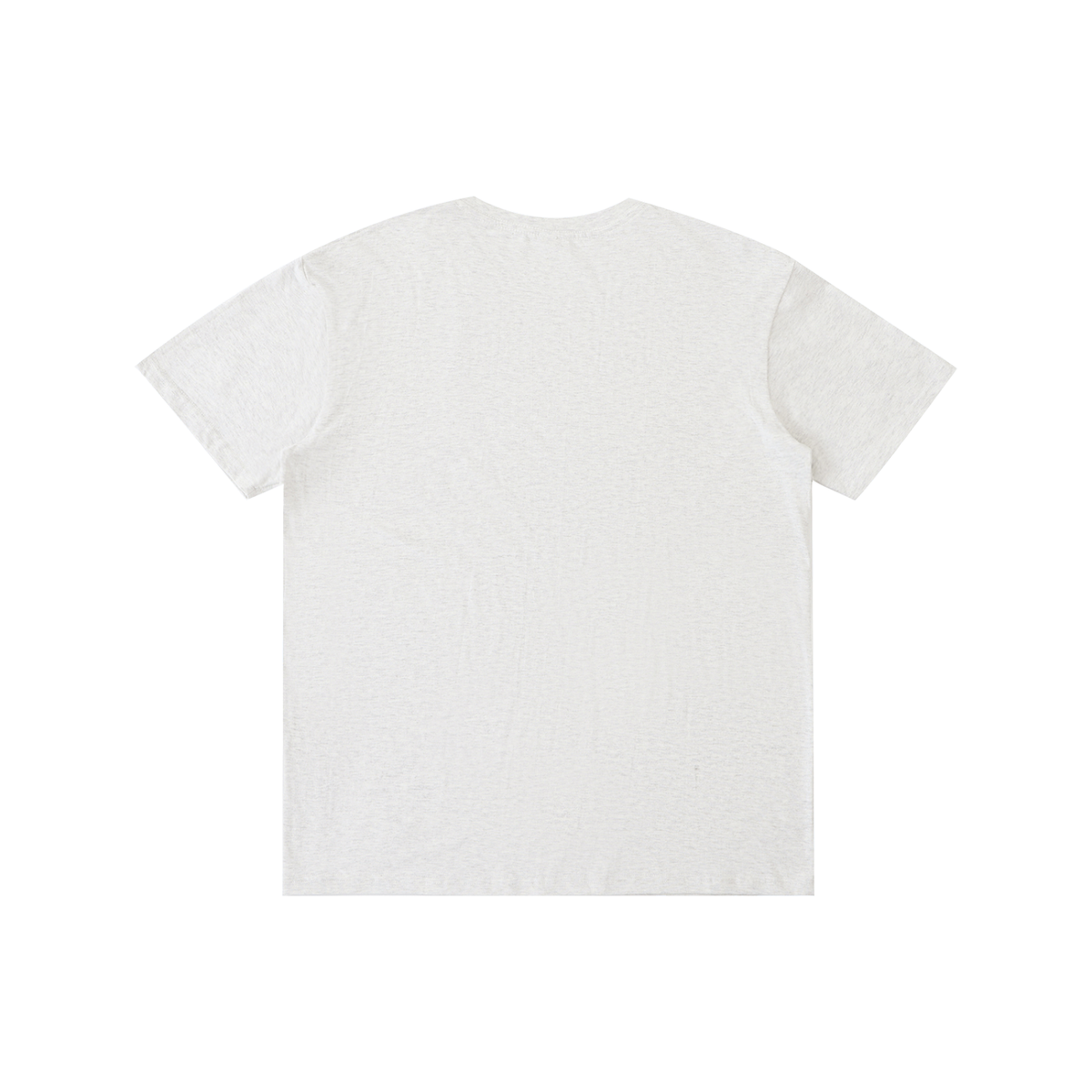
EARTH WORM T-SHIRT
EARTH WORM T-SHIRT
Share
Couldn't load pickup availability
Item Number: RU0010
Gender: Unisex
Fabric: 100% cotton
Fabric Weight: 5.3 oz/yd² (180 g/m²)
Fabric Thickness: Thin
Care Instructions: Machine wash at 30°C (gentle cycle); Do not bleach; Tumble dry low; Iron at low temperature, avoid ironing on print; Do not dry clean
Features: Basics, Casual, Daily Casual, Outdoor, Home, Pure Cotton, Short Sleeve, Regular Sleeve, Round Neck / O-Neck, Regular, Regular, Summer, Autumn, Winter, Spring
Print Size: 40*52cm
Embroidery Size: 4*4cm
Notes: Batch variations are normal due to factors like temperature and materials, and we strive to minimize these differences as much as possible. We appreciate your understanding.Minor batch differences can occur during blank garment production due to variations in fabric, dye and processing. This is common in apparel manufacturing, and we work hard to keep every item consistent.
| M | L | XL | 2XL | 3XL | ||||||
| inch | cm | inch | cm | inch | cm | inch | cm | inch | cm | |
| Length | 25.98 | 66 | 26.77 | 68 | 27.56 | 70 | 28.35 | 72 | 29.13 | 74 |
| Shoulder | 18.50 | 47 | 19.29 | 49 | 20.08 | 51 | 20.87 | 53 | 21.65 | 55 |
| Chest | 19.69 | 50 | 20.67 | 52.5 | 21.46 | 54.5 | 22.44 | 57 | 23.23 | 59 |
| Sleeve length | 7.09 | 18 | 7.48 | 19 | 7.48 | 19 | 7.87 | 20 | 8.27 | 21 |
| Underground Carbon Managers | Earthworms aerate soil and break down organic matter, locking carbon into stable soil structures and improving soil's capacity to store carbon long-term. | Earthworms drive one of the largest and least visible carbon storage processes on land: bioturbation. As they ingest organic matter and soil, worms physically bind mineral particles and organic residues into stable aggregates, and their casts create micro-structures that protect carbon from microbial decomposition for years to decades rather than weeks. Global soils hold roughly two to three times more carbon than the atmosphere, and earthworm activity is a major regulator of how much of that carbon remains locked away versus released as CO2. Agricultural practices that support earthworm populations (reduced tillage, cover cropping, organic amendments) are consequently a recognised soil-carbon strategy in regenerative agriculture frameworks. |